Catalog Vintage Interior Product: A Designer's Toolkit for Timeless Branding
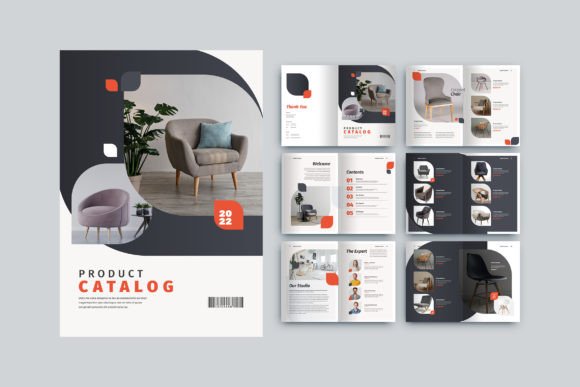
When you are building a brand that sells high-end furniture, artisanal home goods, or architectural services, the visual language of the 1970s often holds more appeal than the ultra-slick minimalism of today. There is a specific warmth and authority in vintage design that modern aesthetics sometimes struggle to replicate. This is where the Catalog Vintage Interior Product template comes into play. It is not just a set of pages; it is a strategic design asset built in Adobe InDesign that channels the sophisticated, tactile feel of mid-century editorial layouts. If you are a designer or a business owner looking to create print materials that feel substantial and permanent, this template offers a solid foundation.
Understanding the Aesthetic and Technical Foundation
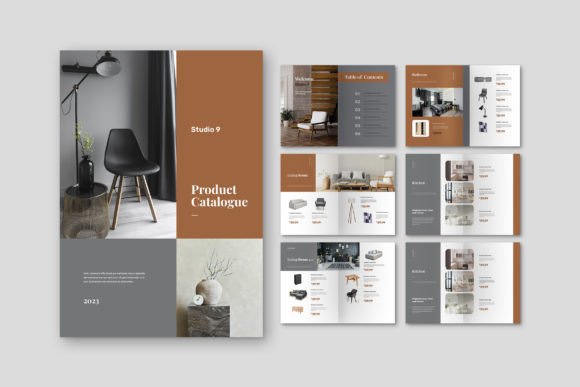
The visual personality of this template is defined by its restraint and structure. It avoids the chaotic layering often seen in trendy design, favoring instead a grid-based approach that highlights imagery. The layout is clean, utilizing generous white space to let the products breathe. This creates a sense of luxury and professionalism. Whether you are showcasing vintage furniture or modern architectural renders, the framework adapts to the content without overwhelming it.
Technically, the Catalog Vintage Interior Product is built for production. It is created in Adobe InDesign, which is the industry standard for multi-page document layout. The template comes in both .indd and .idml formats, ensuring compatibility with various versions of the software. The dimensions are set to a standard A4 size (21cm x 29.7cm), making it ready for standard printing presses. It includes 3mm bleed and is set to 300 DPI in CMYK. These specifications are critical for anyone who has ever dealt with print shops; they eliminate the guesswork and prevent costly reprints due to technical errors.
Streamlining the Creative Process
One of the biggest hurdles in design is the blank page. This template solves that by providing 12 custom pages that are neatly organized. The use of smart layers means you can easily replace placeholder images with your own high-resolution photos. For a busy entrepreneur or a freelance designer, this saves significant billable hours. Instead of worrying about margins and alignment, you can focus entirely on the content and the story your brand is telling.
Practical Applications Across Industries
While the name suggests a focus on interior design, the utility of this template extends far beyond that niche. The "vintage" aspect refers to the design style—classic, authoritative, and timeless—rather than the content itself. This makes it a versatile brand identity tool.
- For Interior Designers and Architects: This is the obvious use case. The layout is optimized for editorial design, allowing you to present floor plans alongside finished photography. The aesthetic complements materials like wood, stone, and fabric, enhancing the perceived value of your services.
- For Product-Based Businesses: If you sell packaging design concepts, artisanal foods, or handmade crafts, the vintage vibe adds a layer of authenticity. It suggests that your product is made with care and tradition, rather than mass-produced.
- For Digital Marketers and Bloggers: Even in a digital world, PDF lookbooks and downloadable guides are powerful marketing tools. You can use this template to create a lead magnet that looks significantly more premium than a standard blog post.
- For Publishers: Independent authors or small publishing houses can use this for book proposals or media kits. The professional typography and layout signal to partners that you take your work seriously.
Typography and Readability: The Silent Salesman
A catalog is only as good as its readability. The Catalog Vintage Interior Product template includes free fonts, which is a practical bonus for those on a budget. However, the real strength lies in the typographic hierarchy established in the layout.
The template balances different text elements to guide the reader's eye. Headlines are likely designed to be bold and commanding, suitable for a display font, while body copy is set up for clarity and comfort. If you decide to swap out the fonts, it is essential to maintain this hierarchy. For instance, pairing a serif font for headers with a clean sans serif font for body text often works best for catalogs. This contrast creates visual interest while ensuring the small print remains legible.
When evaluating the template, pay attention to the font pairing suggestions or the default styles. Good typography influences how long a reader stays on a page. If the text feels cramped or the leading (line spacing) is too tight, the reader will disengage. This template is designed to avoid those pitfalls, offering a "ready-to-read" experience that feels natural and effortless.
Customization: Making the Template Your Own
A template should be a starting point, not a cage. The Catalog Vintage Interior Product is fully editable, allowing you to infuse your specific brand identity into every page. Here is how to approach the customization process to get the most out of this premium font and layout asset:
- Evaluate Your Imagery: Vintage interior styles often rely on specific lighting and color grading. Ensure your photos match the mood of the template. High-contrast, moody photography often pairs well with this aesthetic.
- Color Palette Adjustments: While the template comes in CMYK, you can easily adjust the color swatches in InDesign. Stick to a limited palette to maintain the sophisticated, uncluttered look.
- Consistency is Key: Use the 12 pages to tell a cohesive story. Do not mix styles randomly. If page one is serious and corporate, page five should not suddenly become playful and whimsical unless that is a deliberate brand strategy.
- Test Print: Because it is 300 DPI and print-ready, you should print a proof. Colors on screen (RGB) often look different on paper (CMYK). Checking the bleed and trim lines ensures your final product looks professional.
Why This Asset Saves Time and Money
In the world of creative work, time is the most expensive resource. Hiring a layout artist to build a 12-page catalog from scratch can cost hundreds or thousands of dollars. By using a pre-structured template like this, you bypass the technical setup phase. You do not need to be an InDesign expert to use it; the smart layers and organized structure make it accessible even for those with intermediate software skills.
Furthermore, the inclusion of free fonts solves the licensing headache that often accompanies design assets. You can use the typography included without worrying about additional costs or legal restrictions, provided you check the specific license terms included in the download. This makes it a safe choice for commercial projects, from client work to selling your own products.
Ultimately, the Catalog Vintage Interior Product is more than just a file; it is a workflow solution. It bridges the gap between a raw idea and a polished, market-ready publication. Whether you are a small business owner launching a new line of furniture or a graphic designer