Magazine Template – Fashion Style: A Complete Design Framework
When you're staring at a blank InDesign document, trying to figure out how to structure a 14-page editorial spread, the hardest part is often just getting started. That's exactly where Magazine Template – Fashion Style steps in. It's not just a collection of pages thrown together—it's a thoughtfully constructed foundation designed for professionals who need polished results without spending weeks on layout groundwork. Whether you're producing a lookbook, a seasonal catalog, a brand journal, or a client pitch deck, this template gives you a head start that actually matters.
What Makes This Template Stand Out
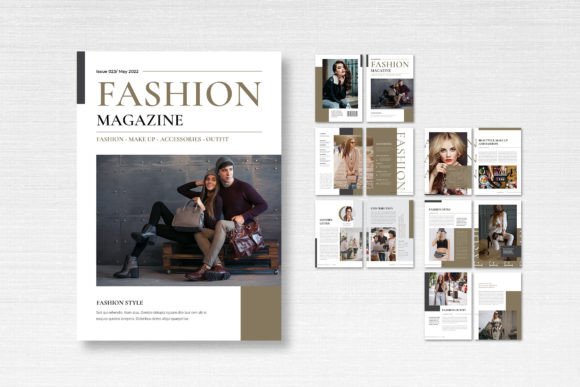
At its core, Magazine Template – Fashion Style is a professionally designed Adobe InDesign file formatted at A4 size (21cm x 29.7cm) with 14 custom pages, including both front and back covers. It's built in CMYK color mode at 300 DPI with a 3mm bleed, which means it's print-ready from the moment you open the file. No guesswork, no conversion headaches. You download it, open it in InDesign, and start replacing placeholder content with your own.
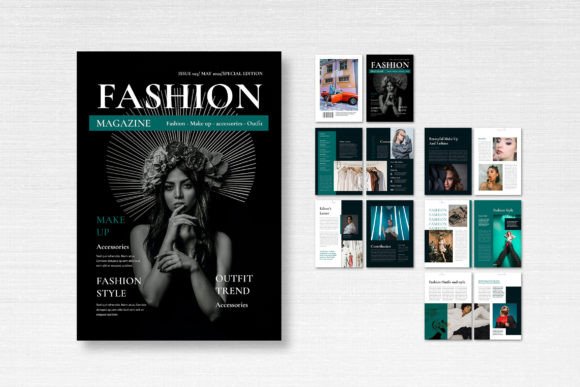
But the technical specs only tell part of the story. What really sets this template apart is its visual personality. The layout leans into contemporary editorial aesthetics—clean grid structures, generous white space, and a balance between imagery and text that feels intentional rather than cluttered. There's a sophistication here that doesn't try too hard. It whispers luxury without screaming it, which is exactly the kind of tone that works across fashion, lifestyle, beauty, and premium brand publishing.
The layers are neatly organized, which matters more than most people realize. When you're working on a deadline and need to swap out a photo, adjust a text block, or tweak a color accent, having logically named and grouped layers saves real time. It's the kind of behind-the-scenes detail that separates a usable template from one that frustrates you halfway through a project.
Where This Template Truly Shines
Think beyond traditional magazine publishing for a moment. Yes, Magazine Template – Fashion Style is built for editorial design, but its applications stretch much further. Small business owners creating seasonal lookbooks, entrepreneurs developing investor presentations with visual punch, bloggers putting together downloadable PDF guides, marketers designing product launch collateral—these are all real-world scenarios where a template like this earns its keep.
The free fonts used in the template (available through DaFont or Google Fonts) are a smart inclusion. You're not locked into purchasing expensive premium font licenses just to match the preview. This keeps your project costs manageable, especially if you're a solo creator or a small team working with limited budgets. The typography choices in the template lean toward modern serif font and sans serif font pairings, which gives you a versatile starting point for brand identity work across multiple industries.
For designers working on packaging design mood boards, social media graphics campaign planning, or web design reference documents, this template provides a structured canvas that helps organize visual ideas coherently. It's not just about looking good—it's about communicating clearly through modern typography and intentional layout choices.
Practical Guidance for Getting the Most Out of It
Before you start customizing, take fifteen minutes to actually study the template as it ships. Look at how the designer balanced headline sizes against body text. Notice where images bleed to the edge and where they're contained within frames. These aren't arbitrary decisions—they reflect real editorial design principles around visual hierarchy and reader flow.
When evaluating whether this template fits your project, consider a few things. First, does the page count work? Fourteen pages is enough for a solid lookbook or a short-run publication, but if you're planning a 40-page catalog, you'll need to duplicate and adapt spreads. Second, does the aesthetic direction align with your brand? The Fashion Style template has a particular visual rhythm—minimal, airy, image-forward. If your brand identity skews toward bold, maximalist, or heavily illustrative design, you might find yourself fighting the template rather than working with it.
Font pairing is worth testing early. The included free font selections work well together, but if your brand already uses a specific typeface, swap it in during your first round of edits and see how the layouts respond. Sometimes a slightly heavier display font for headlines changes the entire feel of a spread. A script font or handwritten font accent can add warmth to an otherwise structured layout, but use those sparingly—one or two instances per spread at most.
Readability and Professional Polish
One thing worth emphasizing: readability should drive your customization decisions. It's tempting to resize text blocks to cram in more content or to shrink captions to near-invisible sizes, but that undermines the template's strength. The original layout was designed with specific proportions in mind. When you respect those proportions, your final output looks professional. When you override them, the cracks show quickly, especially in print.
For logo design presentations or creative font showcases, consider using several spreads to create a visual narrative—problem, exploration, solution. The template's structure supports this kind of storytelling naturally. For commercial projects, make sure you've verified the licensing on any fonts or images you add. The template itself is designed for commercial font and asset integration, but the downloadable files don't include the preview images, so you'll need to source your own photography or illustrations.
Ultimately, Magazine Template – Fashion Style is a design asset that respects your time. It gives you a professional framework, clean organization, and print-ready specifications so you can focus on the creative work that actually differentiates your project. Whether you're a seasoned designer building a client deliverable or a first-time publisher bringing a vision to life, starting with a solid template isn't taking a shortcut—it's working smart.